Why drywall cracks
Seasonal humidity changes, settling of framing lumber, and vibration cause small movements in a house. Drywall is rigid, so that movement concentrates at weak points: the corners of door and window openings, joints between sheets and the junction of walls and ceilings.
Hairline cracks from normal movement are common in Ottawa homes, where heating season dries the air and summer humidity swells it again.
How cracks are repaired
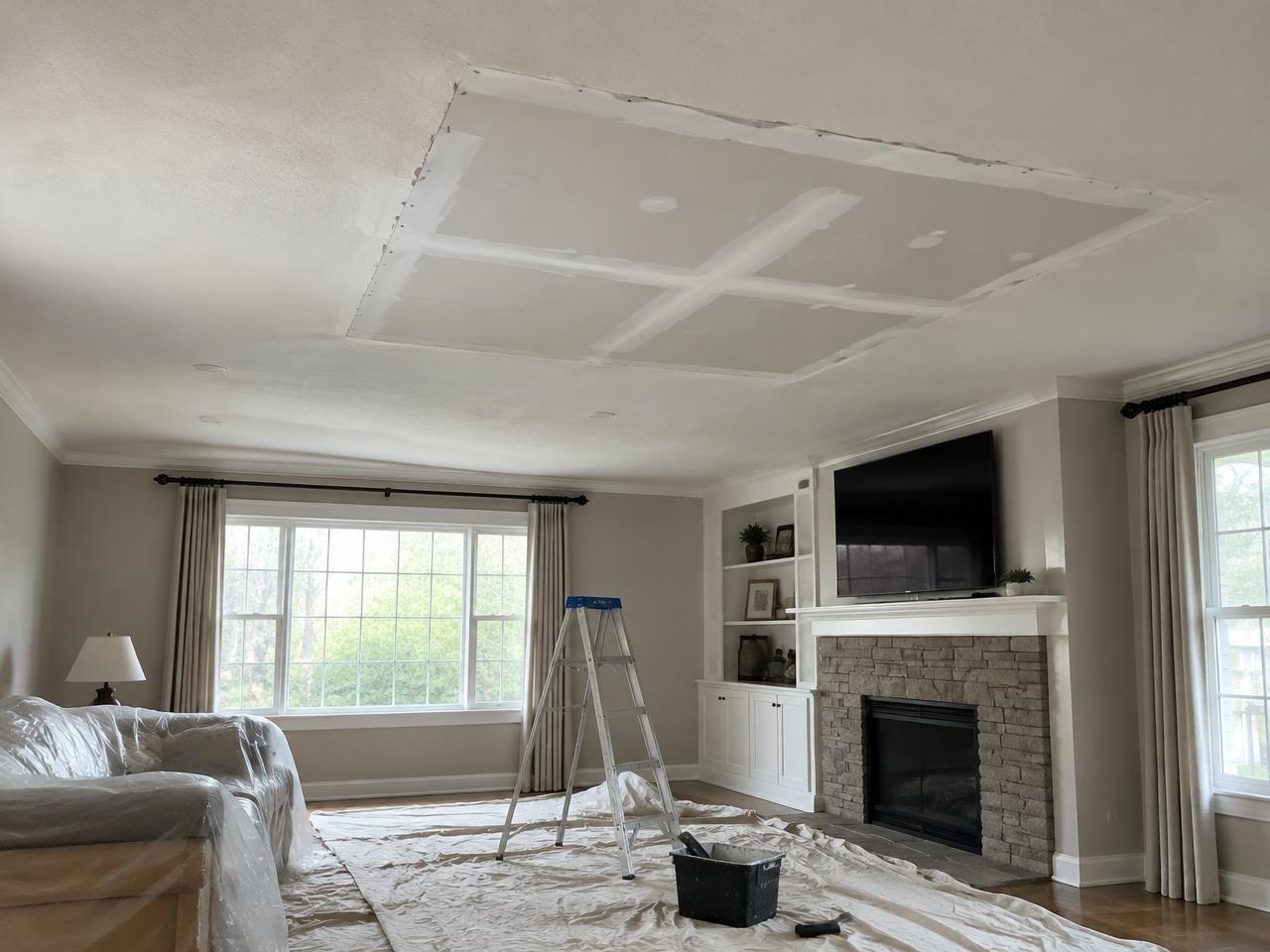
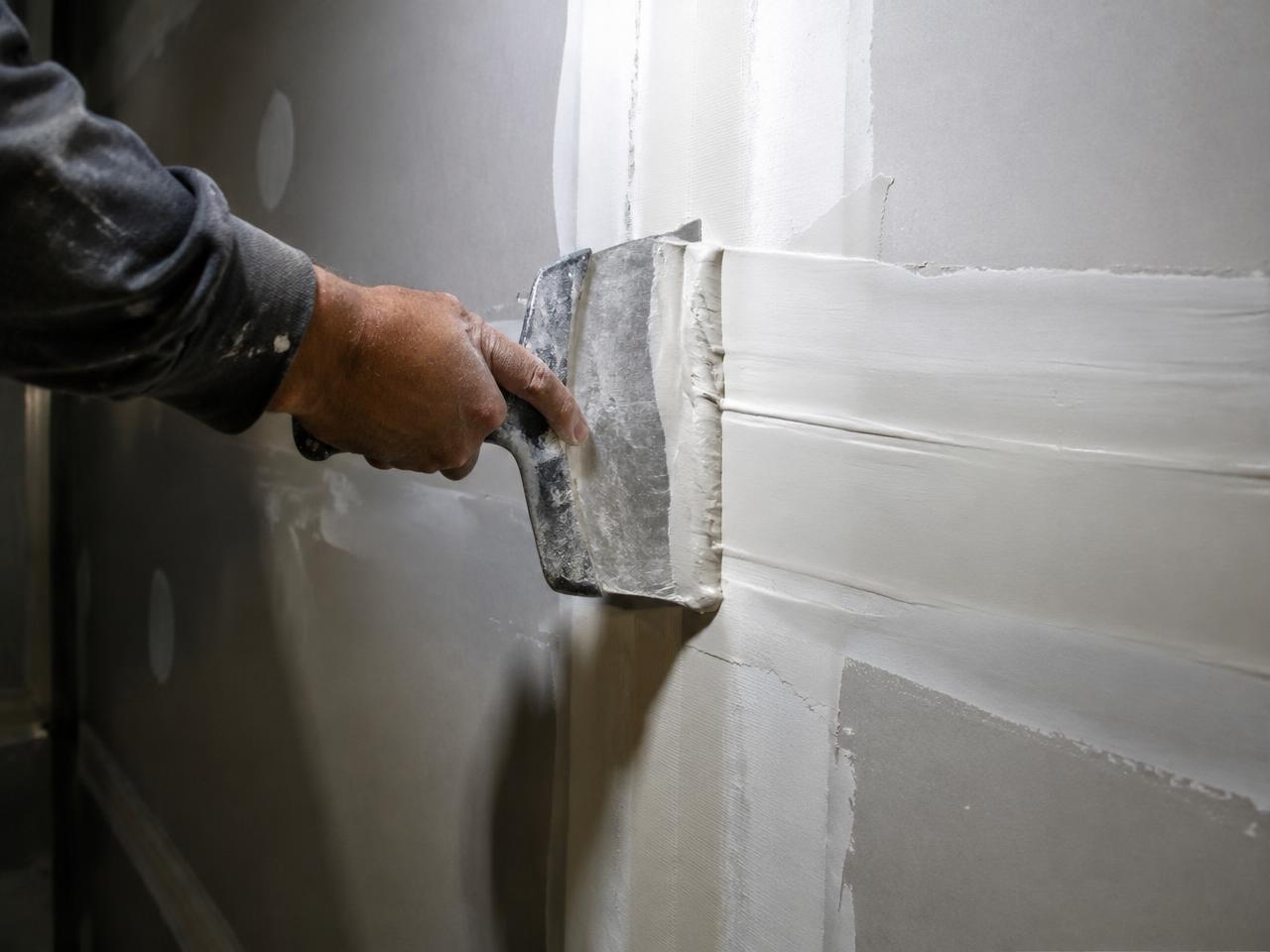
The crack is opened slightly and any loose tape or compound is cut away. New tape is embedded across the crack, then covered with thin coats feathered out on both sides. Corner cracks are re-taped or fitted with new corner bead when the old bead has failed.
Nail pops are fixed by setting a screw beside the popped fastener and finishing over both.
When a crack needs more than drywall work
Wide cracks, cracks that keep growing, doors that start sticking, or diagonal cracks that run from openings can indicate structural or foundation movement. Those causes should be assessed by a qualified professional before the drywall is repaired.